Maui Wildfire Exposure Study: Community Health, Wellbeing, and ResilienceMay 15, 2024The Maui Wildfire Exposure Study (MauiWES) is the most comprehensive study focused on understanding and mitigating the health and social impacts of the Maui wildfires. It aims to fill a gap in knowledge about the effects of environmental hazards and socioeconomic challenges on the health and wellbeing of those exposed to the wildfires. Over at… Read More
How does Hawai‘i’s economic geography affect its healthcare industry?April 22, 2024Hawai‘i’s small size and isolation present particular challenges to the healthcare industry, including lower productivity and higher costs, due to its limited ability to take advantage of economies of scale. The state’s high cost of living likely compounds these problems by hindering the recruitment of healthcare professionals who must often be hired from out-of-state. Furthermore,… Read More
Public Health Report: Initial Findings from the Maui Wildfire Exposure StudyFebruary 8, 2024Following the devastating wildfires from August 8-11, 2023, the Maui community has faced significant challenges including environmental hazards, air pollution, and toxic substances that pose additional long-term health risks. In response, we launched the Maui Wildfire Exposure Cohort Study (MauiWES). Our initial findings highlight the critical health needs to address acute conditions, including depression, hypertension,… Read More
UHERO’s Ruben Juarez to lead Maui wildfire health studyJanuary 25, 2024A team of University of Hawaiʻi at Mānoa researchers are asking Maui residents to participate in a study to analyze the short- and long-term health effects of exposure to the deadly wildfires that destroyed Lahaina and parts of Kula. The team, led by UH Mānoa Professors Ruben Juarez (UH Economic Research Organization–HMSA Distinguished Professor of… Read More
Social, economic, and health impacts of the Red Hill fuel spill: preliminary survey resultsJanuary 18, 2024By Leah Bremer, Tara Sutton, Ruben Juarez, Nicole Siegal, Nathan DeMaagd *University of Hawaiʻi Economic Research Organization (UHERO), Water Resources Research Center (WRRC), Department of Geography and Environment, University of Hawaiʻi at Mānoa. BackgroundOn November 20, 2021 the Red Hill Bulk Fuel Storage Facility leaked approximately 19,000 gallons of jet fuel into the Pearl Harbor… Read More
The intergenerational transmission of mental and physical health in the United KingdomOctober 13, 2023Abstract: As health is increasingly recognized as a key component of human welfare, a new line of research on intergenerational mobility has emerged that focuses on broad measures of health. We extend this research to consider two key components of health: physical health and mental health. We use rich survey data from the United Kingdom linking the… Read More
After the Maui wildfires: The road ahead.August 31, 2023By Steven Bond-Smith, Daniela Bond-Smith, Carl Bonham, Leah Bremer, Kim Burnett, Makena Coffman, Peter Fuleky, Byron Gangnes, Rachel Inafuku, Ruben Juarez, Sumner La Croix, Colin Moore, Dylan Moore, Nori Tarui, Justin Tyndall, and Chris Wada The immediate recovery efforts from the devastating Maui wildfires continue, and at UHERO we share our community’s anguish over the… Read More
Replacing Medicaid with an Imperfect Substitute: Implications for Health InequalityAugust 16, 2023Abstract: A 2015 policy change substantially increased the administrative burden involved in accessing health insurance for Pacific Islander immigrants in Hawaii. We examine the heterogeneous health-care use effects of this policy, which revoked Medicaid eligibility for these migrants and replaced it with access to subsidized private health insurance. Using data on the universe of hospitalizations… Read More
Only the fit survive recessions: Estimating labor market penalties for the obese over the business cycleJuly 17, 2023Abstract: The obesity epidemic is a growing concern in the United States. Aside from the detrimental health effects of obesity, previous work has also documented a negative relationship between obesity and various labor market outcomes. Given that the American adult obesity rate is roughly 40%, obesity affects a large portion of the US labor market.… Read More
Public Health Report: Shaping Health in Hawaii – The Influences of Poverty, Housing and Food InsecurityJuly 12, 2023In June 2023, UHERO’s public health team, in partnership with the Pacific Alliance Against COVID-19, carried out the third wave of the UHERO Rapid Health Survey. The study engaged 1,575 adult residents of Hawai‘i and examined the links between mental health, food security and socio-economic determinants like housing conditions and poverty status. UHERO Report UHERO's… Read More
Long COVID and Unemployment in HawaiiJune 27, 2023Abstract: The state of Hawaii has seen 390,000 COVID-19 cases and nearly 1900 deaths since the start of the pandemic. Although the negative impact of the pandemic on employment has been widely documented, this paper demonstrates that those who were infected and suffer from lingering symptoms (i.e., long COVID) had different employment outcomes than those… Read More
The 2023 ‘Imi Pono Survey: Share your unique experience and perspective on wellbeing!February 16, 2023For the last two years, UHERO and Kamehameha Schools have been working together as part of a strategic partnership. We share many common interests in topics of importance to the people of Hawai'i, such as housing, environmental sustainability, education, health, taxation, and economic diversification. We have explored these interests in a joint Lunch & Learn… Read More
Public Health Report: Vaccination Booster Uptake Lags as COVID Impact Reach WidensJanuary 5, 2023As we enter a new phase of the pandemic, Hawai‘i’s populations are becoming more confident that the worst of the pandemic is behind us, driving COVID-19 booster uptake down. However, significant impacts exacerbated by the pandemic, including long COVID, mental health issues, and the negative effects of long COVID on unemployment pose significant challenges that warrant… Read More

 Recent findings from the Maui Wildfire Exposure Study featured in The Washington Post May 15, 2024 Months after Maui fires, residents report troubling health problems A new report details respiratory ailments, mental health conditions and lack of access to medical care following the deadly fire in Lahaina in August. Read More
 Maui Wildfire Exposure Study: Community Health, Wellbeing, and Resilience May 15, 2024 The Maui Wildfire Exposure Study (MauiWES) is the most comprehensive study focused on understanding and mitigating the health and social impacts of the Maui wildfires. It aims to fill a gap in knowledge about the effects of environmental hazards and socioeconomic challenges on the health and wellbeing of those exposed to the wildfires. Over at… Read More
 How does Hawai‘i’s economic geography affect its healthcare industry? April 22, 2024 Hawai‘i’s small size and isolation present particular challenges to the healthcare industry, including lower productivity and higher costs, due to its limited ability to take advantage of economies of scale. The state’s high cost of living likely compounds these problems by hindering the recruitment of healthcare professionals who must often be hired from out-of-state. Furthermore,… Read More
 Ruben Juarez’s work on the Maui Wildfire Exposure Study featured in The Guardian February 13, 2024 The Guardian: "Maui wildfire survivors face soaring rates of depression and lung problems – study" https://www.theguardian.com/us-news/2024/feb/08/maui-wildfire-survivors-health-depression-respiratory-kidney Read More
 Public Health Report: Initial Findings from the Maui Wildfire Exposure Study February 8, 2024 Following the devastating wildfires from August 8-11, 2023, the Maui community has faced significant challenges including environmental hazards, air pollution, and toxic substances that pose additional long-term health risks. In response, we launched the Maui Wildfire Exposure Cohort Study (MauiWES). Our initial findings highlight the critical health needs to address acute conditions, including depression, hypertension,… Read More
 UHERO’s Ruben Juarez to lead Maui wildfire health study January 25, 2024 A team of University of Hawaiʻi at Mānoa researchers are asking Maui residents to participate in a study to analyze the short- and long-term health effects of exposure to the deadly wildfires that destroyed Lahaina and parts of Kula. The team, led by UH Mānoa Professors Ruben Juarez (UH Economic Research Organization–HMSA Distinguished Professor of… Read More
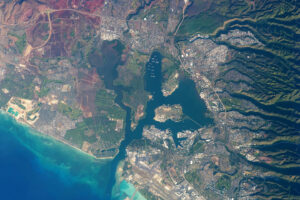 Social, economic, and health impacts of the Red Hill fuel spill: preliminary survey results January 18, 2024 By Leah Bremer, Tara Sutton, Ruben Juarez, Nicole Siegal, Nathan DeMaagd *University of Hawaiʻi Economic Research Organization (UHERO), Water Resources Research Center (WRRC), Department of Geography and Environment, University of Hawaiʻi at Mānoa. BackgroundOn November 20, 2021 the Red Hill Bulk Fuel Storage Facility leaked approximately 19,000 gallons of jet fuel into the Pearl Harbor… Read More
 The intergenerational transmission of mental and physical health in the United Kingdom October 13, 2023 Abstract: As health is increasingly recognized as a key component of human welfare, a new line of research on intergenerational mobility has emerged that focuses on broad measures of health. We extend this research to consider two key components of health: physical health and mental health. We use rich survey data from the United Kingdom linking the… Read More
 Replacing Medicaid with an Imperfect Substitute: Implications for Health Inequality August 16, 2023 Abstract: A 2015 policy change substantially increased the administrative burden involved in accessing health insurance for Pacific Islander immigrants in Hawaii. We examine the heterogeneous health-care use effects of this policy, which revoked Medicaid eligibility for these migrants and replaced it with access to subsidized private health insurance. Using data on the universe of hospitalizations… Read More
 Only the fit survive recessions: Estimating labor market penalties for the obese over the business cycle July 17, 2023 Abstract: The obesity epidemic is a growing concern in the United States. Aside from the detrimental health effects of obesity, previous work has also documented a negative relationship between obesity and various labor market outcomes. Given that the American adult obesity rate is roughly 40%, obesity affects a large portion of the US labor market.… Read More
 Public Health Report: Shaping Health in Hawaii – The Influences of Poverty, Housing and Food Insecurity July 12, 2023 In June 2023, UHERO’s public health team, in partnership with the Pacific Alliance Against COVID-19, carried out the third wave of the UHERO Rapid Health Survey. The study engaged 1,575 adult residents of Hawai‘i and examined the links between mental health, food security and socio-economic determinants like housing conditions and poverty status. UHERO Report UHERO's… Read More
 Long COVID and Unemployment in Hawaii June 27, 2023 Abstract: The state of Hawaii has seen 390,000 COVID-19 cases and nearly 1900 deaths since the start of the pandemic. Although the negative impact of the pandemic on employment has been widely documented, this paper demonstrates that those who were infected and suffer from lingering symptoms (i.e., long COVID) had different employment outcomes than those… Read More
 The 2023 ‘Imi Pono Survey: Share your unique experience and perspective on wellbeing! February 16, 2023 For the last two years, UHERO and Kamehameha Schools have been working together as part of a strategic partnership. We share many common interests in topics of importance to the people of Hawai'i, such as housing, environmental sustainability, education, health, taxation, and economic diversification. We have explored these interests in a joint Lunch & Learn… Read More
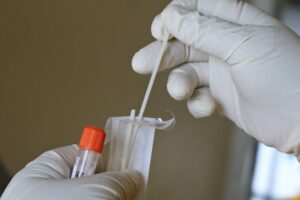 Public Health Report: Vaccination Booster Uptake Lags as COVID Impact Reach Widens January 5, 2023 As we enter a new phase of the pandemic, Hawai‘i’s populations are becoming more confident that the worst of the pandemic is behind us, driving COVID-19 booster uptake down. However, significant impacts exacerbated by the pandemic, including long COVID, mental health issues, and the negative effects of long COVID on unemployment pose significant challenges that warrant… Read More